
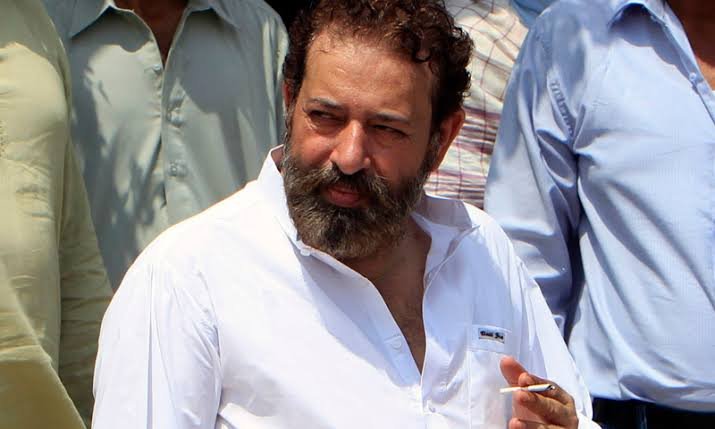
Chaudhry Aslam’s Heroic Legacy: The Fearless Cop Who Defied Terror
Born on
April 10, 1963, in the Swati tribe, Chaudhry Aslam Khan joined the Sindh Police and quickly rose through the ranks due to his exceptional bravery
By the 2000s, Karachi was gripped by gang wars, sectarian violence, and militant activities from groups like the Tehrik-I-Taliban Pakistan (TTP) and Lashkar-e-Jahnavi. As a Senior Superintendent of Police (SSP), Aslam headed critical units such as the Lyari Task Force and the CID’s anti-extremism wing. Chaudhry Aslam’s heroic legacy was forged in these high-stakes operations, where he personally led raids that dismantled criminal networks and neutralized threats.
The Rise of a Supercop
Chaudhry Aslam’s heroic legacy truly began to take shape during his relentless campaign against Lyari’s notorious gangs. In 2009, his team eliminated Rehman Dakait, a key gangster, in a decisive encounter that weakened organized crime syndicates. Aslam’s operations resulted in the arrest or elimination of dozens of target killers and extortionists.

His aggressive tactics earned him the moniker “Dirty Harry of Karachi,” but they also brought measurable reductions in violence. For many residents, Chaudhry Aslam’s heroic legacy represents the rare instance when law enforcement struck back effectively against chaos.

Surviving multiple assassination attempts further cemented Chaudhry Aslam’s heroic legacy. In 2011, a suicide bomber targeted his residence, killing guards but sparing Aslam. Undeterred, he continued his work, often quipping that fear had no place in his life. His fortified home became a fortress of defiance, reflecting the personal risks he endured daily. Chaudhry Aslam’s heroic legacy is thus not just about victories in the field but about unyielding resilience against constant threats.
Controversies and Criticisms
While widely praised, Chaudhry Aslam’s heroic legacy is not without controversy. Human rights groups accused him of extrajudicial killings, labeling many encounters as “staged.” Reports from organizations like Amnesty International highlighted concerns overdue process. Aslam defended his methods, arguing they were necessary in a war-like environment where militants operated with impunity. This duality – hero to some, vigilante to others – adds complexity to Chaudhry Aslam’s heroic legacy, sparking ongoing debates about ethics in counterterrorism.
The Tragic Assassination
On January 9, 2014, tragedy struck when a bomb ripped through Aslam’s convoy on the Lyari Expressway. The TTP claimed responsibility, citing revenge for his anti-militant operations. Aslam, along with two officers and his driver, was martyred. The nation mourned, with thousands attending his funeral and leaders declaring him a national hero. Posthumously awarded the Quaid-e-Azam Police Medal, Chaudhry Aslam’s heroic legacy was eternally honored.
Enduring Impact and Cultural Immortality
Even over a decade later, Chaudhry Aslam’s heroic legacy continues to inspire. His story influenced the 2022 Pakistani biopic Chaudhry – The Martyr, which dramatized his life and battles. More recently, elements of his persona appeared in international cinema, keeping his memory alive. Police academies study his tactics, and streets bear his name. In a country plagued by security challenges, Chaudhry Aslam’s heroic legacy serves as a reminder of individual bravery’s power to effect change.

Chaudhry Aslam’s heroic legacy transcends his lifetime achievements. It embodies the struggle of frontline warriors against extremism. As Pakistan navigates ongoing threats, stories like his motivate new generations of officers. Chaudhry Aslam’s heroic legacy is a beacon of hope, proving that one person’s courage can challenge darkness.
Today, as we reflect on Chaudhry Aslam’s heroic legacy in 2025, it remains relevant. His sacrifices underscore the cost of peace and the need for systemic reforms alongside individual heroism. Chaudhry Aslam Khan may be gone, but Chaudhry Aslam’s heroic legacy endures, inspiring unwavering dedication to justice.