Best Cucumber Varieties for Pickling: Top Choices for Crunchy Homemade Pickles
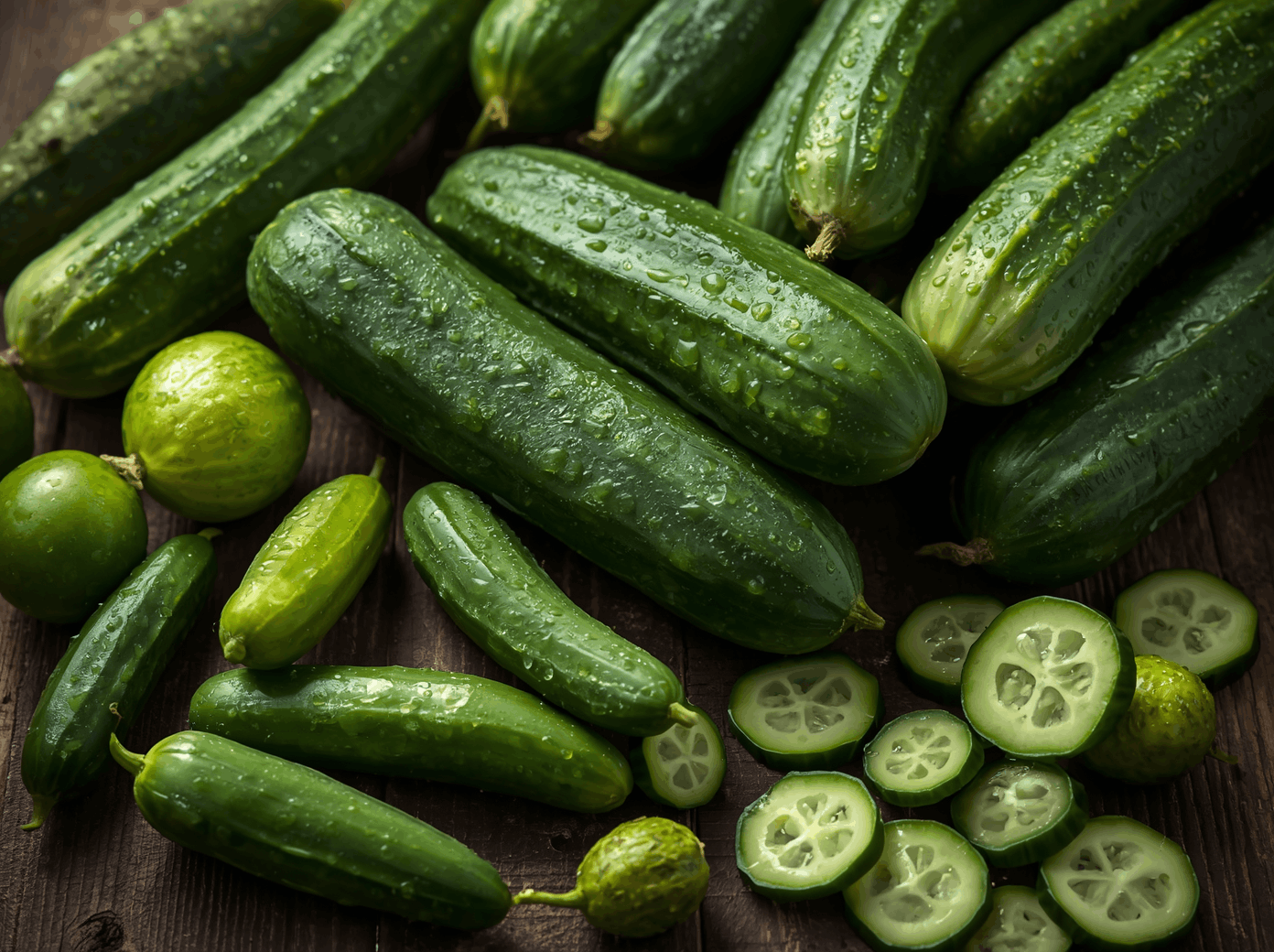
To make good homemade pickles you need to choose the right kind of cucumbers. The best cucumbers for pickling are special because they have skins and smaller seeds. These cucumbers also have flesh that stays crunchy even after they have been soaked in brine. Choosing the cucumber varieties for pickling is important if you want your homemade pickles to be crispy and taste good. Cucumber varieties that are meant for pickling are better, than cucumbers because they keep their crunch.
When it comes to pickling you need to find the cucumbers for the job. The best cucumbers for pickling are really good for making pickles. They are different from the cucumbers you use for slicing.
The best cucumbers for pickling are special because they are good for pickling. Regular slicing cucumbers are not as good for pickling as the cucumbers for pickling.
To get the cucumbers for pickling you should know how to pick the freshest cucumbers. You can find the cucumbers for pickling at the market or, in your own garden.
What Makes a Cucumber Good for Pickling?
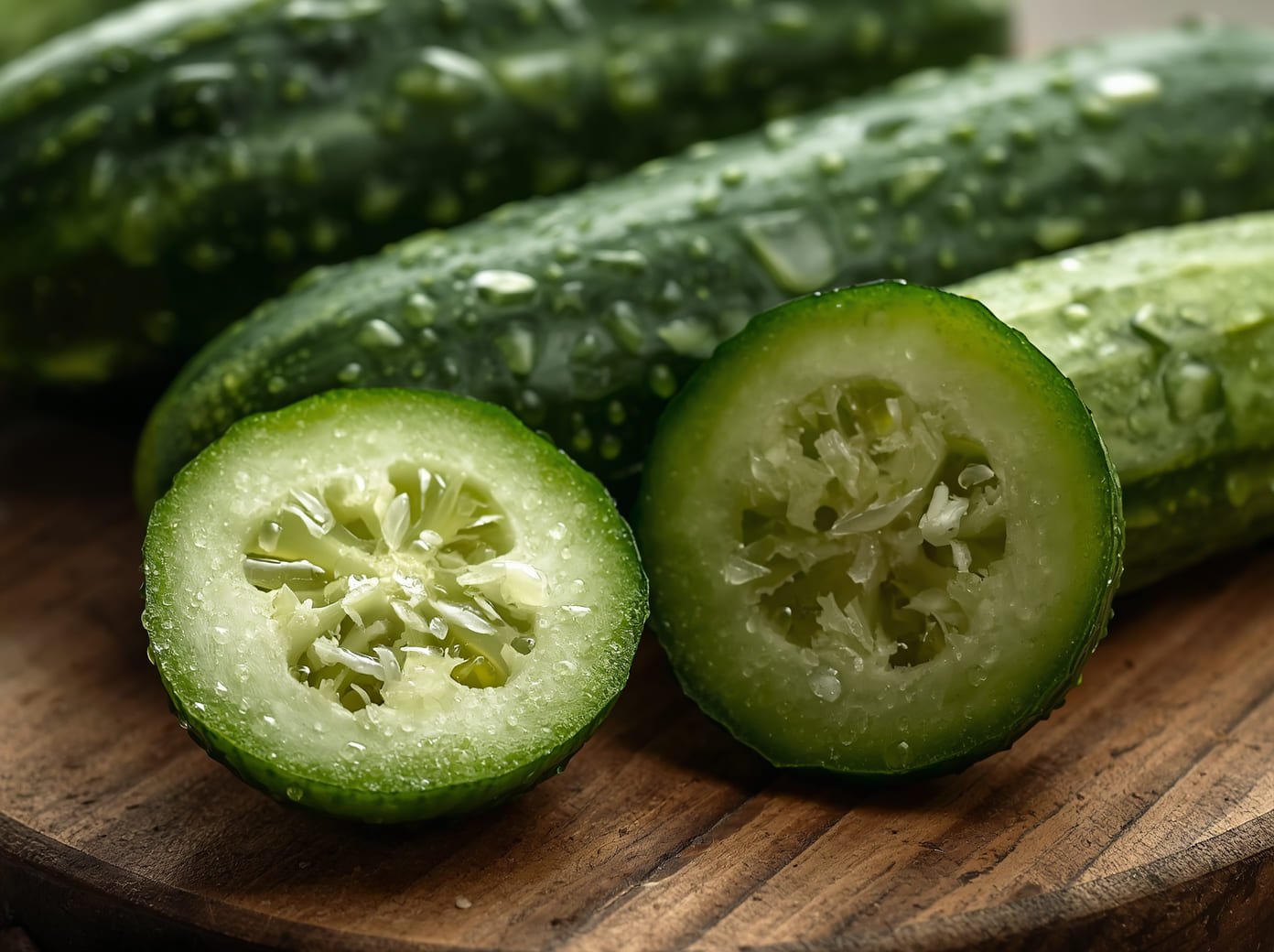
Before picking a variety, it helps to know what qualities actually matter for pickling.
- Thin skin: Lets the brine soak in faster and evenly.
- Small seeds: Fewer, smaller seeds mean a firmer bite and less mushiness.
- Dense flesh: Less water content keeps the cucumber crunchy instead of soggy.
- Compact size: Smaller cucumbers fit better in jars and pickle more evenly than large ones.
Regular slicing cucumbers, like the ones sold for salads, usually have thicker skins and more water. They can technically be pickled, but the texture won’t compare to a true pickling variety.
Top Cucumber Varieties for Pickling
1. Kirby Cucumbers
Kirby cucumbers are a choice for making pickles at home and that is a good thing. Kirby cucumbers are small. They have thin skin that is a little bumpy. When you make pickles with Kirby cucumbers they stay crisp which is really nice. The texture of Kirby cucumbers is firm so when they are in the brine they do not get soft. This makes Kirby cucumbers perfect for making pickles that you keep in the fridge or for canning them. In the summer you can usually find Kirby cucumbers at the grocery store or, at the farmers market.
2. Boston Pickling
Boston Pickling is a favorite variety among home gardeners because it produces plenty of cucumbers throughout the growing season. These cucumbers are usually harvested when they’re about 3 to 4 inches long, giving them the perfect size for jars. Their dense flesh and smaller seed cavity help create crunchy pickles with excellent texture, making them a reliable choice for homemade recipes.
3. National Pickling
If you don’t have garden space Bush Pickle is a great choice. This small type of plant does well in containers in raised beds and in backyard gardens and still gives big pickling cucumbers. Even though the plant is smaller the cucumbers have a firm feel that stays good when you pickle them. This makes it a perfect option for people who are just starting to garden and, for those who live in cities.
4. Bush Pickle
If you do not have a lot of garden space Bush Pickle is a thing to grow. Bush Pickle is a plant but it still gives you full-sized pickling cucumbers. This makes Bush Pickle a good choice for pots or little yards. Bush Pickle is really great, for people who want to grow pickling cucumbers. They do not have a lot of room.
5. Gherkin (West Indian Gherkin)
Not to be confused with the small pickles sold as “gherkins” in stores, this variety is a distinct, spiny little cucumber often used for tiny, crunchy pickles. It has a slightly different flavor profile, a bit tarter, and works well in specialty pickle recipes.
6. Homemade Pickles Cucumber
I love making Homemade Pickles. Homemade Pickles are a kind of cucumber that people like to use when they make pickles at home. These cucumbers are medium sized. They stay crunchy even after they have been in brine, for a while. The taste of Homemade Pickles is not too strong so they go well with garlic and dill and other spices that people like to use when they make pickles. When you make pickles with Homemade Pickles, they turn out really good whether you are making pickles that you keep in the fridge or pickles that you can in jars. Homemade Pickles always seem to work well for making pickles.
Pickling Cucumber vs. Regular Cucumber
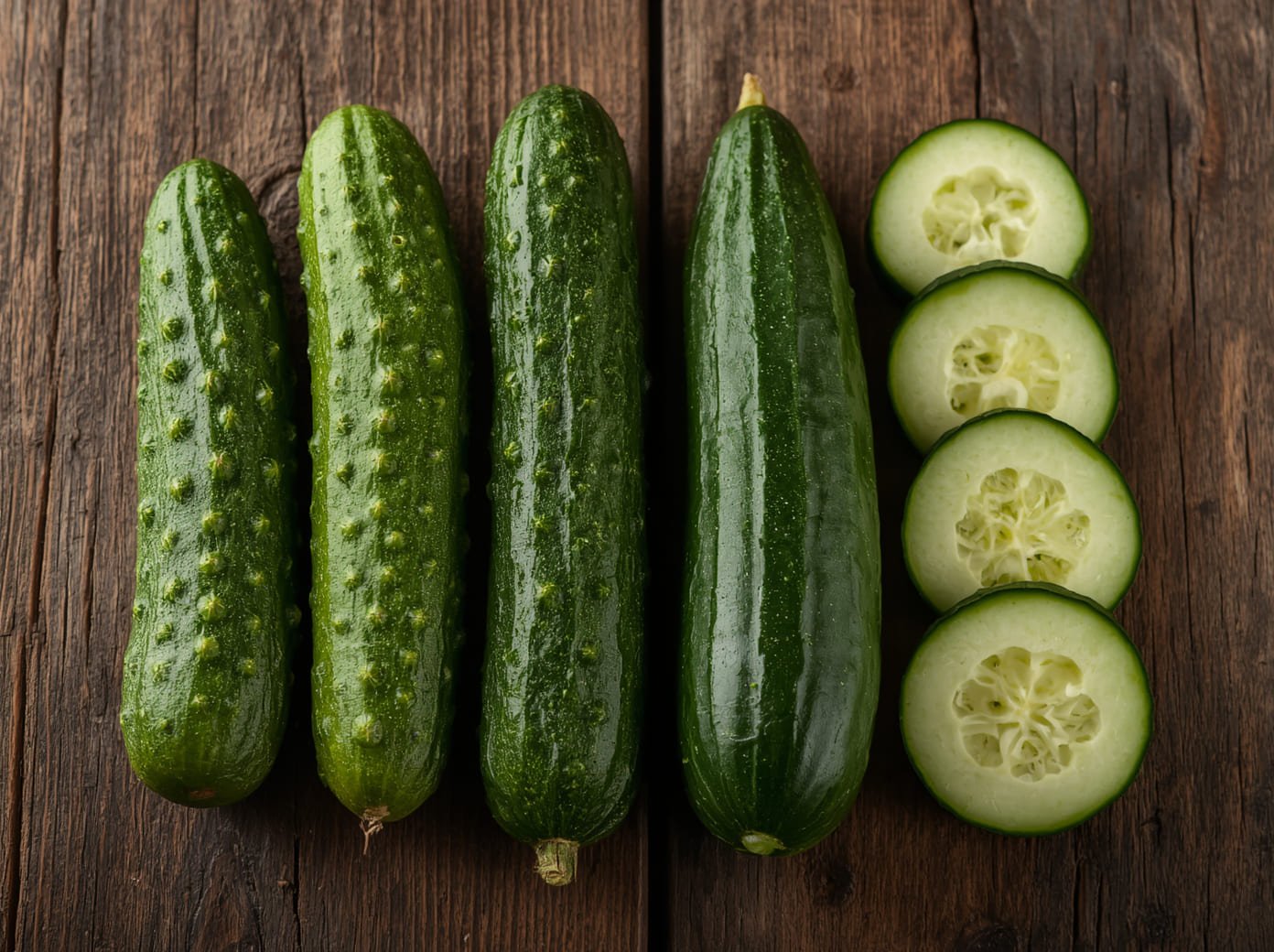
Here’s a quick comparison to help you spot the difference at the store or in your garden.
| Feature | Pickling Cucumber | Slicing Cucumber |
|---|---|---|
| Skin | Thin, often bumpy | Thick, smooth or waxed |
| Size | Small, 3-6 inches | Large, 8-12 inches |
| Water content | Lower | Higher |
| Best use | Pickling, canning | Salads, fresh eating |
How to Pick the Best Cucumbers for Pickling
Whether you’re at the farmer’s market or picking from your own garden, look for these signs:
- Firm texture with no soft or mushy spots.
- Small to medium size, ideally under 4-5 inches for whole pickles.
- Bright, even color without yellowing, which can signal overripens.
- Fresh, recently harvested cucumbers. The fresher the cucumber, the crunchier the pickle.
Growing Your Own Pickling Cucumbers
If you want the freshest possible cucumbers for pickling, growing your own is worth considering.
- Plant pickling varieties like Boston Pickling or National Pickling in full sun with well-drained soil.
- Harvest often and early. Waiting too long lets cucumbers grow large and seedy, which hurts pickle texture.
- When you go to pick cucumbers in the morning, they are usually at their best. This is because cucumbers are most hydrated and crisp, at this time. So, it is an idea to pick cucumbers then. You will get the cucumbers. Cucumbers are really nice when they are hydrated and crisp.
Source check karo for exact planting schedules and spacing, since these can vary based on your climate zone.
Harvest Tips
For the crunchiest homemade pickles, harvest cucumbers while they are still young and firm. Most pickling varieties taste best when they measure between 3 and 5 inches long. Larger cucumbers often contain bigger seeds and more water, which can make pickles softer.
After harvesting, wash the cucumbers gently and refrigerate them if you are not making pickles immediately. For the best texture, try to pickle them within 24 hours of picking.
Storage Tips
Fresh pickling cucumbers are, at their best when they are stored in the refrigerator. You should not leave them at room temperature for a time because pickling cucumbers lose moisture very quickly.
You need to keep pickling cucumbers dry until you’re ready to use them. If there is much moisture when you store pickling cucumbers, they will soften faster. If you want to make refrigerator pickles, you should prepare the pickling cucumbers when they are still fresh so your pickles will be crunchy.
FAQs
Which cucumber is best for pickling?
Kirby cucumbers are one of the best choices because they have thin skin and firm flesh.
Can I pickle regular cucumbers?
Yes, but they usually contain more water and may not stay as crunchy.
How big should pickling cucumbers be?
Harvest them when they are about 3–5 inches long.
Which cucumber has the crunchiest texture?
Boston Pickling and Kirby varieties are known for producing crisp pickles.
Should cucumbers be refrigerated before pickling?
Yes. Fresh, cold cucumbers usually produce better-quality pickles.
Conclusion
Picking the right cucumber is one of the easiest ways to upgrade your homemade pickles. Varieties like Kirby, Boston Pickling, and National Pickling are built for exactly this job, giving you that satisfying crunch every time. Whether you buy them fresh or grow your own, choosing a true pickling variety makes all the difference.