In today’s fast-paced world, many people rely on packaged or restaurant foods without realizing how much sodium they consume every day. Sodium is essential for the body, but too much can lead to serious health issues, including high blood pressure, kidney strain, and heart disease. That’s why more people are now searching for food with low sodium diet options to support their well-being and reduce long-term risks.
A low-sodium diet is not just for patients with medical conditions — it’s for anyone who wants better heart health, controlled blood pressure, and overall wellness. The good news is that shifting toward food with low sodium diet does not mean compromising taste; it simply means choosing smarter, fresher ingredients and reducing processed foods.
This article will guide you through the best foods, benefits, tips, and meal ideas to help you achieve a healthy balance.
✅ Why Choose Food With Low Sodium Diet?
The body needs a small amount of sodium to function properly. However, the average person consumes far more than recommended. Excess sodium causes water retention, which increases pressure in blood vessels.
Eating food with low sodium diet helps:
-
Control blood pressure
-
Support heart health
-
Reduce kidney workload
-
Decrease fluid retention
-
Improve energy and focus
-
Reduce the risk of stroke
A low-sodium diet is especially important for people with:
-
Hypertension
-
Heart disease
-
Kidney issues
-
Diabetes
-
Edema (swelling)
Even if you don’t have health issues, food with low sodium diet can enhance overall wellness.
✅ Top Foods With Low Sodium Diet
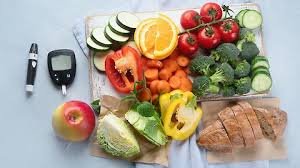
Choosing food with low sodium diet can be simple when you know what to look for. Below are some of the best natural and nutritious low-sodium options:
1. Fresh Fruits
Fresh fruits like apples, berries, bananas, grapes, and oranges are naturally low in sodium and high in vitamins. They support heart health and make excellent snacks.
2. Vegetables
Most fresh vegetables are low in sodium, especially leafy greens, carrots, cucumbers, and broccoli. They also provide fiber, helping with digestion.
Tip: Always opt for fresh or frozen veggies instead of canned ones.
3. Whole Grains
Whole grains provide energy and keep you full longer. Choose:
-
Oats
-
Brown rice
-
Quinoa
-
Whole-wheat pasta
They are great options for food with low sodium diet.
4. Lean Proteins
Lean meats like chicken breast, turkey, eggs, and fish are naturally low in sodium if not processed. Prepare them with herbs instead of salt.
5. Legumes
Beans, lentils, and chickpeas are full of plant-based protein and fiber. They help regulate blood pressure and support healthy digestion.
6. Unsalted Nuts & Seeds
Almonds, walnuts, and pumpkin seeds provide healthy fats and nutrients without adding sodium. Always choose unsalted varieties.
7. Low-Sodium Dairy
Low-sodium yogurt and milk are great for bones and muscles. Avoid high-salt cheeses.
8. Herbs & Spices
A key part of food with low sodium diet is flavoring with herbs:
-
Basil
-
Mint
-
Garlic
-
Rosemary
-
Turmeric
They add taste without sodium.
✅ Table: Best Food With Low Sodium Diet
| Food Category | Examples | Benefits |
|---|---|---|
| Fruits | Berries, apples, bananas | Vitamins, antioxidants |
| Vegetables | Spinach, broccoli, carrots | Fiber, heart-friendly |
| Whole Grains | Oats, quinoa, brown rice | Long-lasting energy |
| Lean Proteins | Chicken, turkey, fish | Low sodium protein |
| Legumes | Lentils, chickpeas | Heart-healthy fiber |
| Unsalted Nuts | Almonds, walnuts | Healthy fats |
| Low-Sodium Dairy | Plain yogurt, milk | Calcium & energy |
| Herbs & Spices | Garlic, rosemary | Natural flavor |
✅ Sodium: How Much Is Safe?
The American Heart Association suggests:
-
Ideal limit: 1,500 mg per day
-
Maximum: 2,300 mg per day
But most people consume nearly twice that amount!
That’s why choosing food with low sodium diet is essential.
✅ How to Reduce Sodium in Your Diet
Here are practical steps:
✔ Read Food Labels
Only buy items labeled “low sodium” or “no salt added.”
✔ Cook at Home
Restaurant foods are often loaded with salt.
✔ Limit Processed Foods
Avoid canned soups, frozen meals, packaged snacks, sausages, and instant noodles.
✔ Choose Fresh Ingredients
Fresh ingredients are better than preserved ones.
✔ Use Seasoning Alternatives
Replace salt with cumin, pepper, garlic, lemon, and herbs.
✅ Healthy Meal Ideas (Low Sodium Diet)
✅ Breakfast
-
Oatmeal with berries and nuts
-
Boiled eggs + fresh fruit
✅ Lunch
-
Grilled chicken with quinoa + salad
-
Lentil soup with brown rice
✅ Snack
-
Mixed unsalted nuts
-
Yogurt with fruit
✅ Dinner
-
Baked salmon with steamed broccoli
-
Stir-fried vegetables with tofu
These combinations give your body balanced nutrition without added sodium.
✅ Foods to Avoid on Low Sodium Diet
🚫 Canned soups
🚫 Processed meats (sausages, bacon)
🚫 Salty snacks (chips, crackers)
🚫 Frozen dinners
🚫 Fast food
🚫 Pickles
🚫 Instant noodles
🚫 Salted butter
Removing these from your diet allows food with low sodium diet to work better for your health.
✅ Benefits of Food With Low Sodium Diet
💚 Heart Health
Lower sodium reduces the strain on blood vessels.
💚 Weight Management
Low-sodium foods are often less processed and healthier.
💚 Kidney Support
It prevents excess fluid buildup and kidney stress.
💚 Improved Mood & Energy
Avoiding sodium spikes keeps the body active and balanced.
✅ Who Should Focus on Low Sodium Diet?
A food with low sodium diet is especially important for people with:
-
High blood pressure
-
Diabetes
-
Heart disease
-
Kidney disease
-
Stroke history
-
Chronic stress
Even healthy individuals can benefit.
✅ Is Low Sodium Always Better?
Balance is key. Too little sodium can also be harmful.
The goal is moderation — avoid processed foods and focus on natural sources.
✅ Lifestyle Tips to Support Low Sodium Diet
✔ Exercise regularly
✔ Drink enough water
✔ Sleep 7–8 hours
✔ Reduce stress
✔ Avoid smoking & limit alcohol
Together with food with low sodium diet, these habits boost long-term well-being.
✅ Final Crux of the Article
Choosing food with low sodium diet is one of the most effective ways to protect your heart and maintain strong overall health. By reducing processed foods and focusing on whole ingredients like fruits, vegetables, grains, and lean proteins, you naturally decrease sodium intake and support your body’s natural balance.
This change does not require drastic sacrifice — just smart choices and simple recipes. Over time, your body will respond with greater energy, better blood pressure control, and improved long-term wellness.
Small habits truly create powerful results.