Payal Gaming Leaked Video: Here’s Link
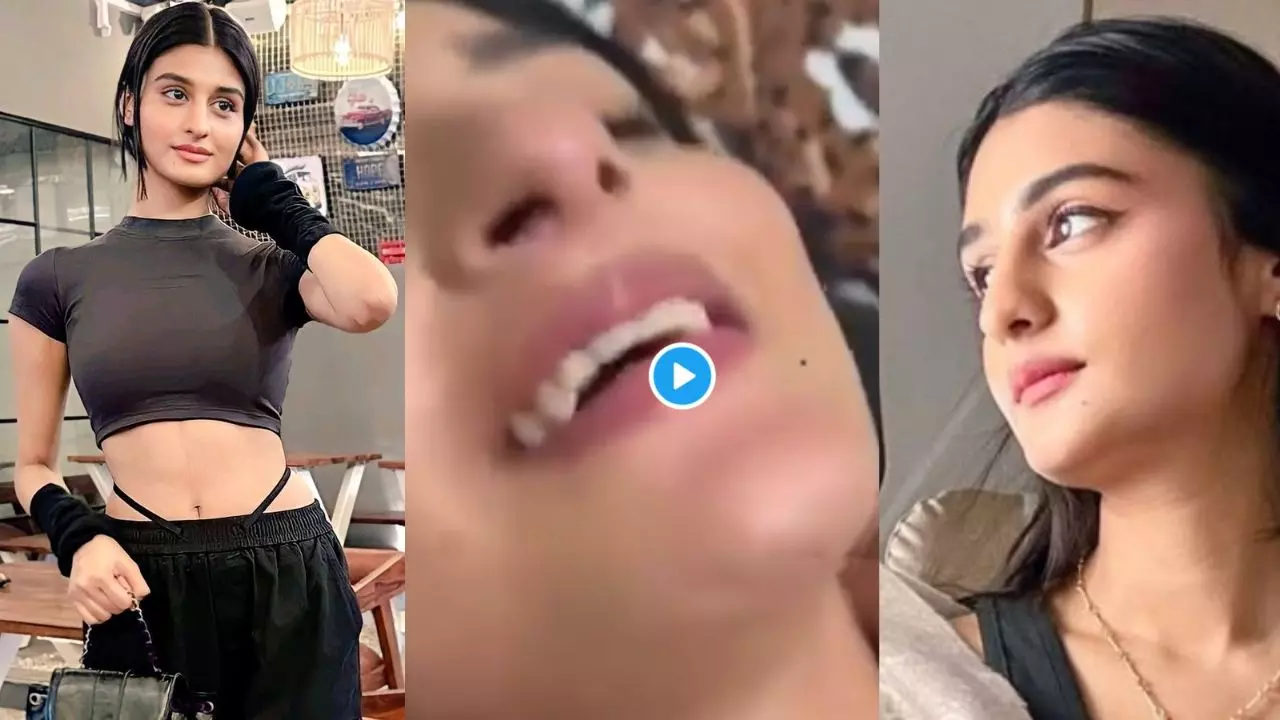
In recent days, searches for “Payal Gaming leaked video” have spiked across social media and search engines. If you’ve come across claims of a so-called intimate clip involving popular Indian gamer Payal Dhare (known as Payal Gaming), it’s important to know the truth right away: the Payal Gaming leaked video is completely fake. It’s a malicious deepfake created using AI technology and spreading it only harms an innocent creator.

Payal Gaming is one of India’s most respected female gamers, with millions of subscribers on YouTube and a positive reputation built over years of hard work in the BGMI and esports community. Unfortunately, she’s the latest victim of a disturbing trend where AI tools are misused to create fake videos targeting public figures, especially women.
What Exactly is the “Payal Gaming Leaked Video” Rumor?
The rumor started around mid-December when a short clip began circulating on platforms like X (Twitter) and Telegram. Users falsely claimed it showed Payal in a private moment, often labeling it as a “Dubai leak” or MMS. Searches for Payal Gaming leaked video quickly trended, with misleading thumbnails and “download links” designed to attract clicks.
However, within hours, her dedicated fanbase and fact-checkers stepped in. Visual analysis showed clear signs of manipulation: mismatched facial features, unnatural movements, and inconsistencies that scream deepfake. Reliable sources like Zee News, News18, and India TV confirmed through reports that the Payal Gaming leaked video is an AI-generated hoax, not real footage.
Why It’s Clearly a Deepfake
Deepfakes use artificial intelligence to swap faces or alter videos, making them look convincingly real. In this case:
- Fans pointed out differences in body type, mole placement, and facial structure compared to Payal’s known photos.
- The video quality and lighting don’t match genuine recordings.
- No credible source or verification exists—only anonymous accounts spreading it for views.
- Many “links” lead to phishing sites or malware, a common tactic in deepfake scams.
Experts warn that such Payal Gaming leaked video claims are often part of larger digital harassment campaigns, exploiting curiosity to spread misinformation and harm reputations.
The Impact of Spreading Fake News Like This
When we share or search for things like the Payal Gaming leaked video without verification, we unintentionally contribute to cyberbullying and privacy violations. Female creators are disproportionately targeted, facing not just embarrassment but potential loss of sponsorships, mental health struggles, and safety risks.
Payal has built her career through talent and positivity—winning awards, collaborating with celebrities, and inspiring young gamers. Rumors like the Payal Gaming leaked video undermine all that hard work and set a dangerous precedent for others in the creator economy.
How to Spot and Stop Deepfakes
Here are practical tips to protect yourself and others:
- Check multiple reliable sources before believing viral claims.
- Look for official statements from the person involved (Payal has continued normal posting, indicating business as usual).
- Avoid clicking suspicious links promising “full video.”
- Report fake content on platforms.
- Support creators by focusing on their actual work.
The Payal Gaming leaked video saga highlights how AI can be weaponized, but it also shows the power of community defense—her fans quickly mobilized to call out the falsehood.
Conclusion
To be absolutely clear: there is no authentic Payal Gaming leaked video. It’s a fabricated deepfake meant to exploit curiosity and damage a successful woman’s reputation. Let’s choose kindness over clicks—support real creators like Payal by watching her gaming content, not engaging with harmful rumors.
Have you encountered fake news online? Share your thoughts below (respectfully)—let’s spread awareness, not misinformation!
Purpose Of Posting
This article aims to provide accurate information about the false “Payal Gaming leaked video” rumor, debunk the deepfake claims with evidence from reliable sources, and promote responsible online behavior. By clarifying the facts and highlighting the dangers of misinformation, it seeks to protect creators’ privacy while encouraging readers to verify before sharing.